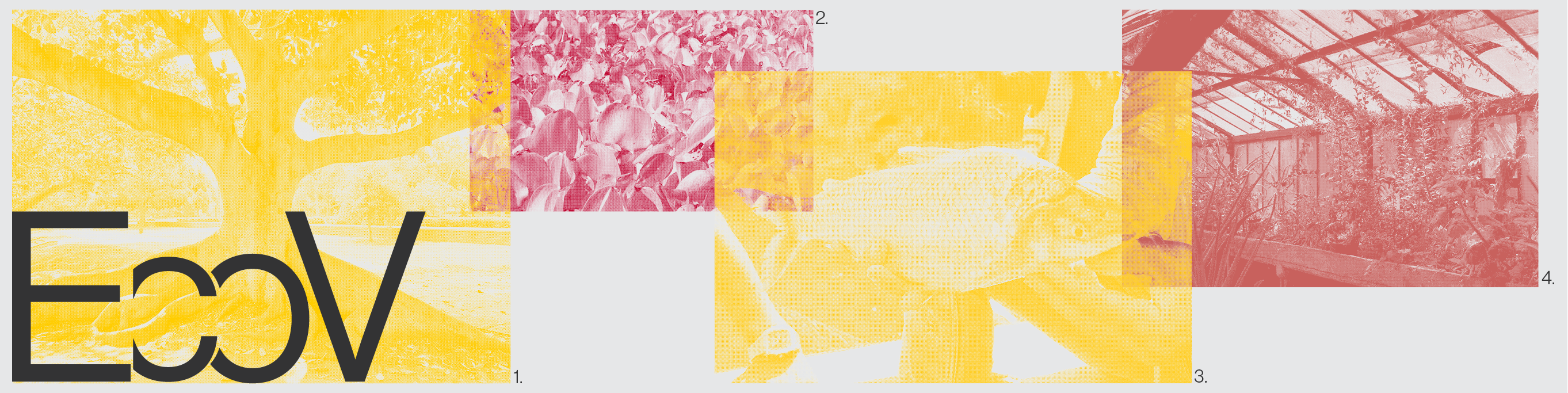
Ifor Duncan is Postdoctoral Researcher on the EcoViolence project at Utrecht University. His inter-disciplinary research and art-practice focuses on political violence in the contexts of devastated river systems and dispossessed communities. These include the weaponisation of rivers as borders (Evros/Meriç/Maritsa, Greece and Turkey), mega-dam projects (Hidroituango on the Cauca, Colombia) and rivers as mediums and dynamic archives of genocide (Wisła, Poland). He encounters these concerns through visual cultures, cultural memory, fieldwork and an artist audio-visual practice that involves submerged methods.
My subproject ‘Conflict Rivers’ focuses on creative, investigative, spatial and memory practices that engage with violence against the socio-ecologies of river systems and water more generally. With the emergence of rights of nature, ecocide and environments being declared victims, this project considers these discourses and their implciations for cultural memory with specific consideration for the role ecoaesthetics—from documentary practice to installation—plays in extrapolating the entangled and unevenly distrubuted violence against human and multi-species communities. In parallel, Ifor also curates the River Cinema series which explores the role of artist moving-image in contemporary river activism, starting from the question: what happens when we take seriously the idea of a river as moving image?
Ifor Duncan, “The Shipwrech Starts Here”, in Oceans as Archives, edited by Kristie Patricia Flannery, Renisa Mawani, Mikki Stelder, 219-241 (Routledge, 2025). This chapter is a complementary text to the two-channel video Il Naufragio Inizia da Qui, which adopts the conceptual lens of a shipwreck society to critique the use of repurposed cruise ships to quarantine
Duncan, I. & Levy, S., ‘Politics of the turbid image: against underwater fascist visual rhetoric’, Journal of Visual Culture, 2025. This article examines submerged environments and modes of visual mediation that are used to depict them. Attending to the turbid image as an optical register of complex material and political conditions, the authors challenge the normalization of